The Master's Degree
History of the Master's Program
The degree program is now 30 years old . It was created in 1989 by Professor M. Vivant and taken over in 2009 by Ms. A. Robin.
- 1989–2004: Master’s Degree in “Intellectual Property Law”
- 2004–2015: Master 2 (Research and Professional Track) in Business Law, with a specialization in “Intellectual Property Law”
- 2011–2015: Professional Master’s Degree in Business Law, Specialization in Intangible Assets
- 2015–2020: Professional Master’s Degree in Business Law, Specialization in Intellectual Property Law and ICT
- 2021–…: Master’s in Intellectual Property and Digital Law (1st and 2nd years)
Training Objectives
The benefit for students is that they can receive a comprehensive education that encompasses both theoretical and practical aspects , both national and international, both legal and non-legal,and both traditional and innovative.
Students will then be able to ask the right questions when they find themselves in a professional setting and to consider a problem in its entirety, rather than solely from the perspective of “pure” intellectual property law. For example, while publishing informational content online inevitably raises questions of intellectual property law, it also raises questions regarding the processing of personal data and the liability of technical service providers (web hosts).
This open-minded approach to thinking allows students who wish to continue their research to explore new, uncharted fields (see the “Theses” page).
Writing a thesis and completing an internship are designed to train students in research and analytical work, combined with the ability to synthesize information, as well as the ability to respond to real-world situations.
When a student is enrolled in a work-study program, the thesis is replaced by a supervised project defined in collaboration with the host organization.
The exams students take (written and oral) require them to develop their analytical and synthesis skills in an exam setting (both theoretical and practical exams).
Annual Calendar
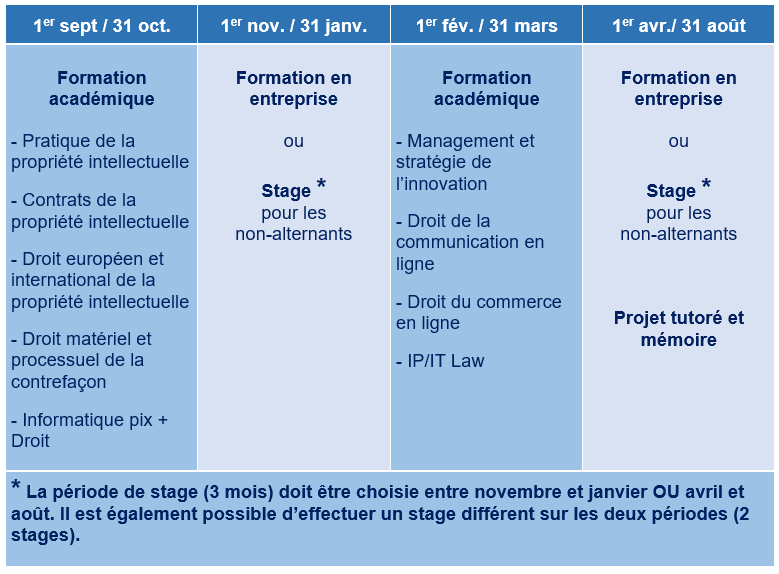
For students in work-study programs, the supervised projectmust be submitted no later than August 31 of each year.
For students who are not in a work-study program, thethesis is due on July 31 of each year ( no defense).
In addition to this schedule, there are also the events in which the Master’s program participates and which shape its rhythm:
- the National Moot Court Competition (CN2PI)
- the APRAM Award
- the Sacem Prize
- The Legal Media & Internet Award
Work-Study Programs and Apprenticeships
Work-Study Schedule
The schedule is the same for all training participants; see the Annual Schedule.
Number of training hours
Academic training: 344 hours
On-the-job training: 980 hours
Supervised project: 140 hours
A few rules regarding work-study programs:
- The apprenticeship contract is drawn up in writing and then signed by the employer, the apprentice, or the apprentice’s legal representative, using form Cerfa No. 10103*07 or FA 13. In addition to general information about the employer and the apprentice, the contract specifies that the apprenticeship supervisor meets the required professional competency standards.
- The apprenticeship contract is open to young people between the ages of 16 and 29 at the start of the apprenticeship (Article L6222-1 of the Labor Code); in other words, the contract must begin no later than the day before the apprentice’s 30th birthday.
- The duration of the apprenticeship contract is equal to that of the “training program leading to the qualification covered by the contract.” In all cases, the minimum duration of training at a training center must be equal to 25% of the contract’s duration—that is, at least 402 hours for a 12-month contract, for example.
- The start date of the on-the-job training with the employer may not be more than three months after the contract start date. The start date of the training period at the apprentice training center.
- The apprenticeship supervisor is responsible for supporting the apprentice and helping them acquire the skills required for the desired qualification, in collaboration with the CFA. This role may be shared among several employees. The apprenticeship supervisor must be an employee of the company, have volunteered for the role, be of legal age, and be of good moral character.
- Apprenticeships are not available to new arrivals; international students may only enter into an apprenticeship contract after completing their first year in the country. Foreign applicants who hold a residence permit may, once they have signed an apprenticeship contract, apply for a work permit from the Foreign Labor Office (MOE), which is part of the DIRECCTE.
- An apprentice with a disability may be officially recognized in order to fully exercise their rights. To do so, an application for Recognition of Status as a Worker with a Disability (RQTH) must be submitted to the Departmental Office for People with Disabilities (MDPH) in the applicant’s place of residence.
- The terms and conditions of apprenticeships in the public sector are the same as those in the private sector, with a few exceptions. Apprenticeship contracts signed with a public agency are fixed-term contracts governed by private law (CDD).
- If the apprentice fails the exam, the apprenticeship contract may be extended, either with the same employer through an amendment to the contract or by entering into a new contract with another employer. However, this extension may not exceed one year. In the event of another failure, no further extension may be granted.
Please note, however, that you cannot repeat the second year of the Master's program!
Since January 1, 2019, apprentices have been eligible for a €500 grant to help cover the cost of obtaining a driver’s license. This state-funded grant is processed and disbursed by the CFA.
For more information on work-study contracts, see CFA-EnsupLR
Internships
The internship period, which runsfrom April 1 to June 30 each year , offers students the opportunity to gain experience in a professional sector that deals with issues related to intellectual property law and communications law.
The internship may be extended until August 31 of the year of enrollment.
This allows students to quickly put the knowledge they acquired in thefirst partof the course to the test.
Academic Regulations
Study Tours
In some years, the master's program offers students the opportunity to take a study trip to visit European intellectual property institutions:
- in 2008: a visit by the European Union Intellectual Property Office (EUIPO) to Alicante;
- in 2017–2018: a visit to the European Patent Office (EPO) in Munich;
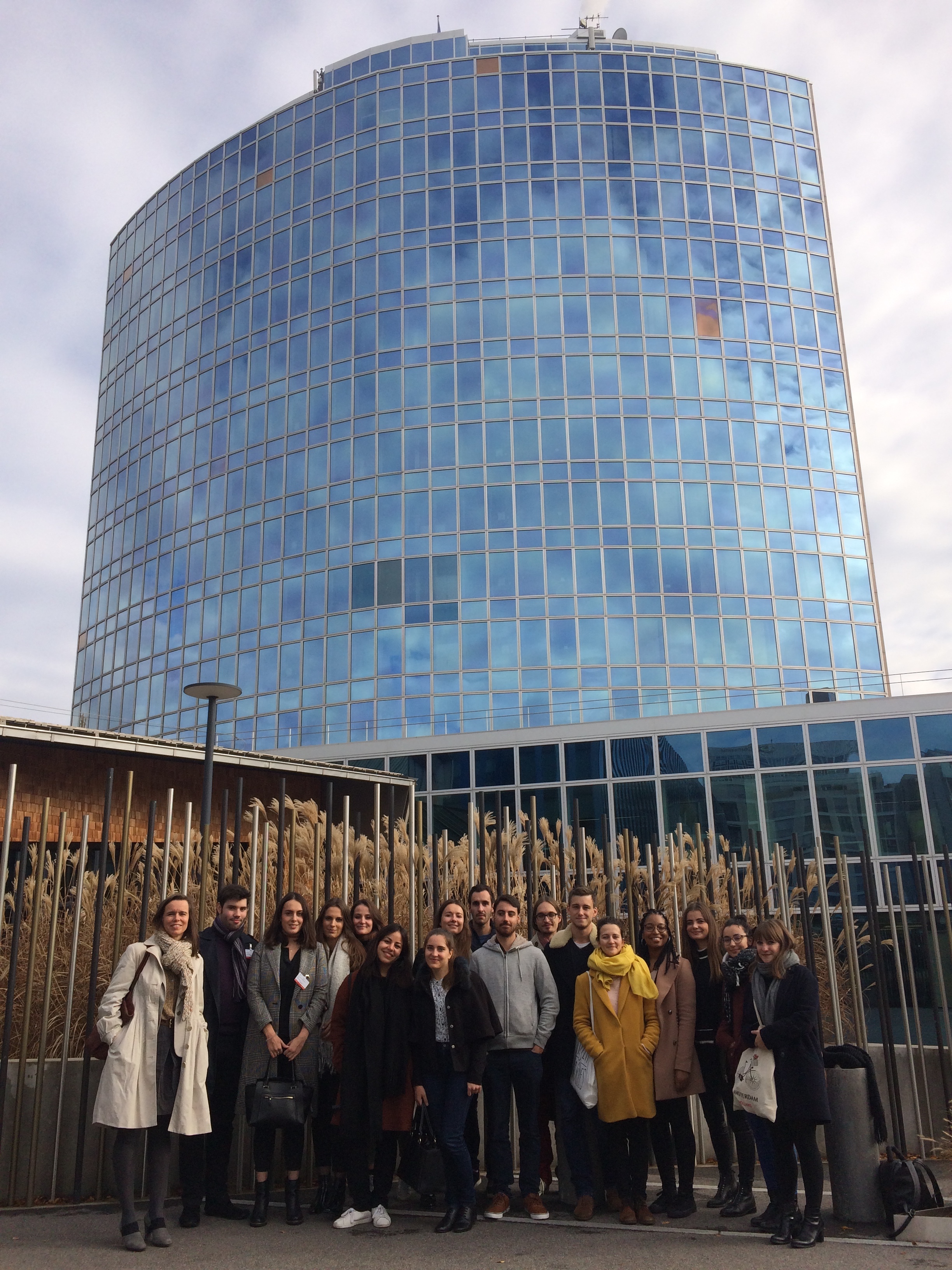
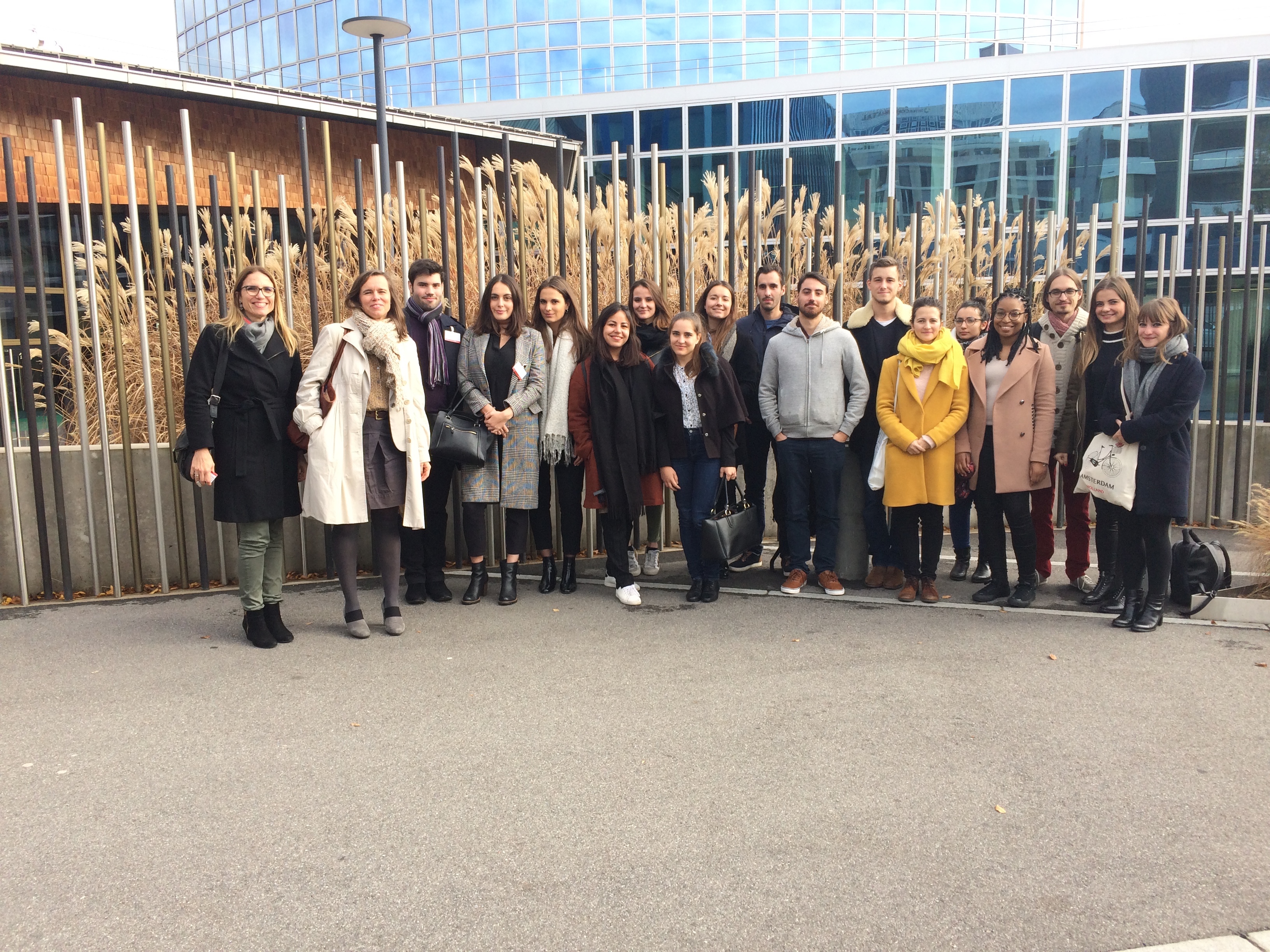
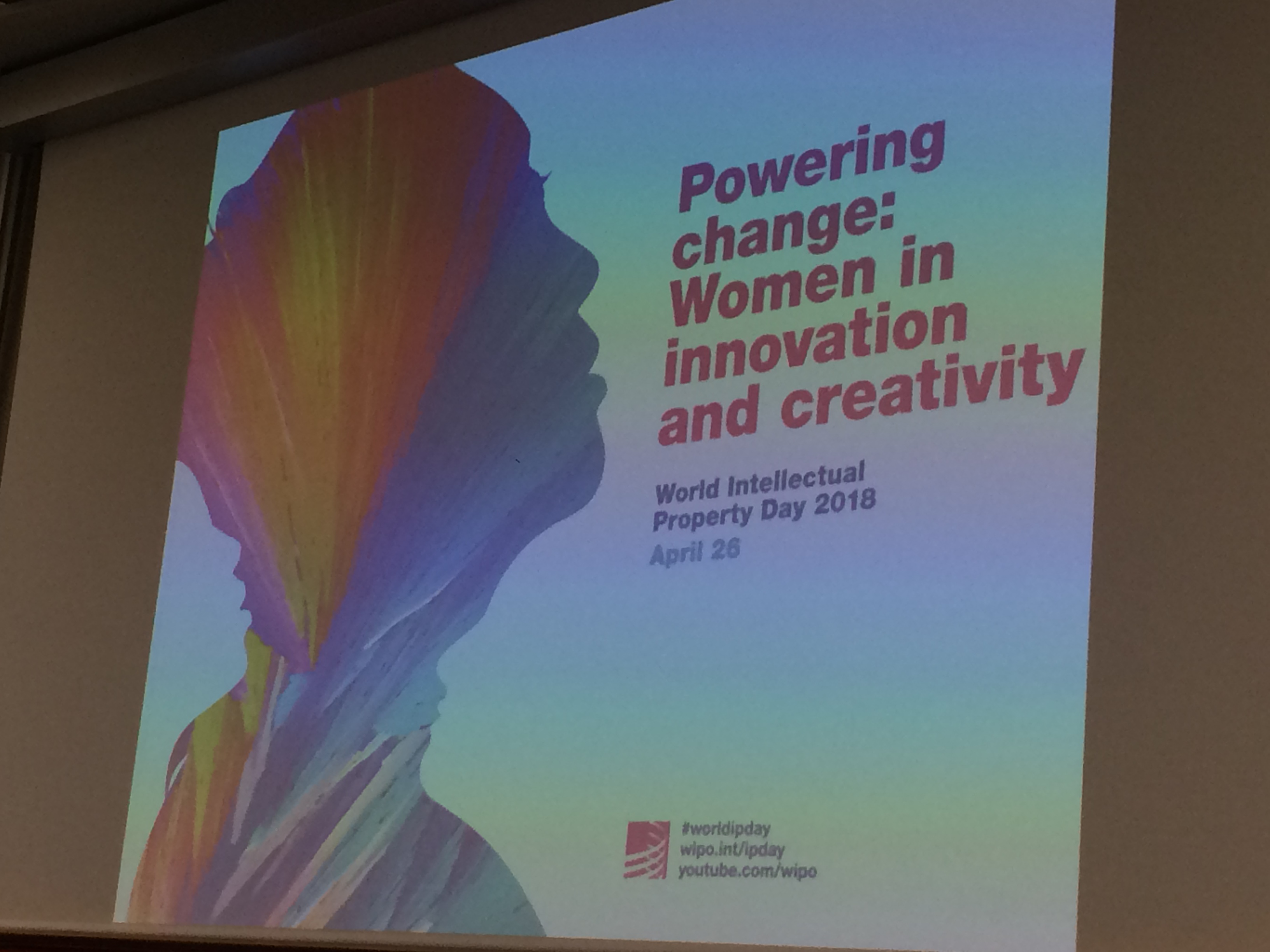
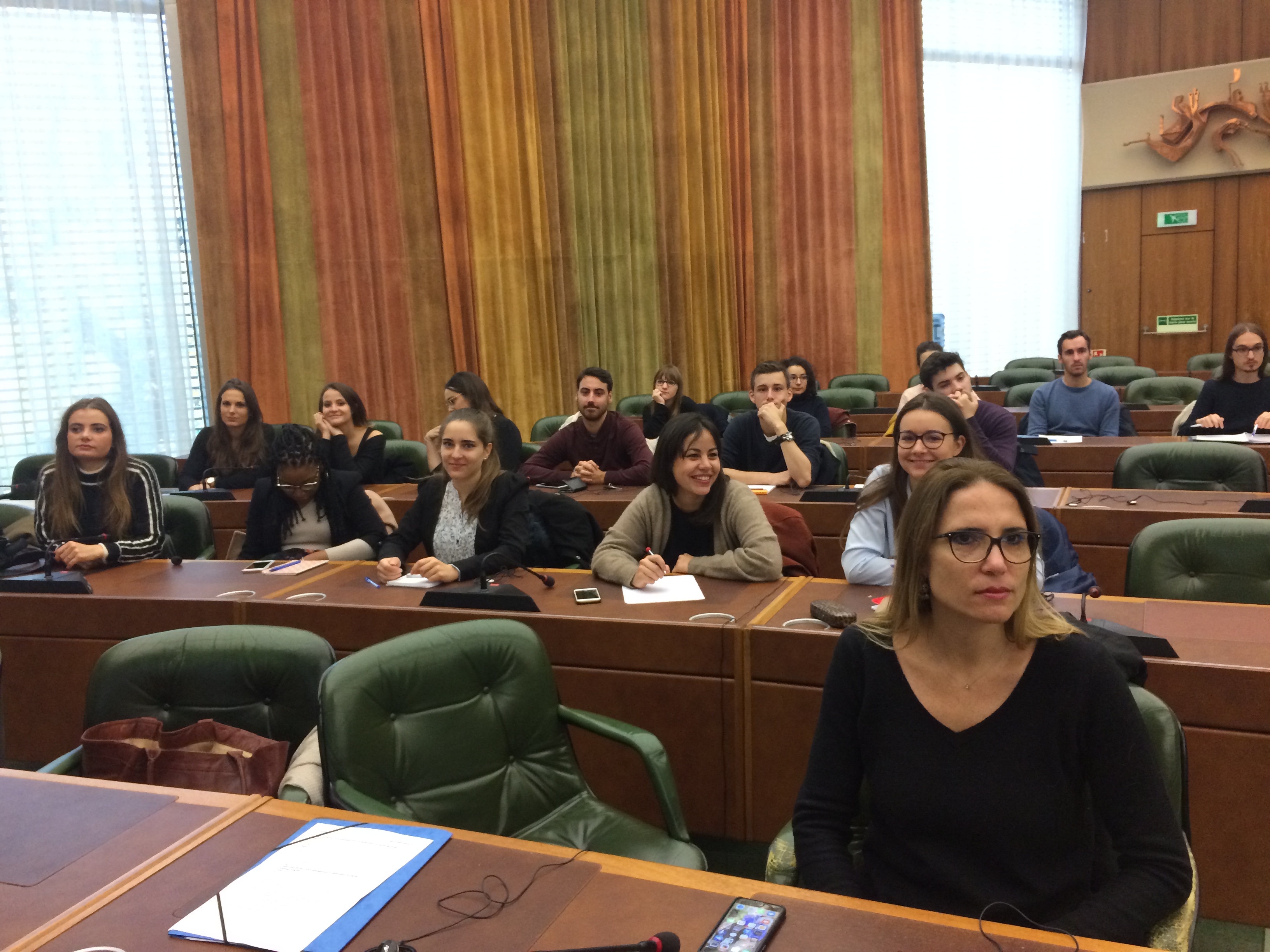
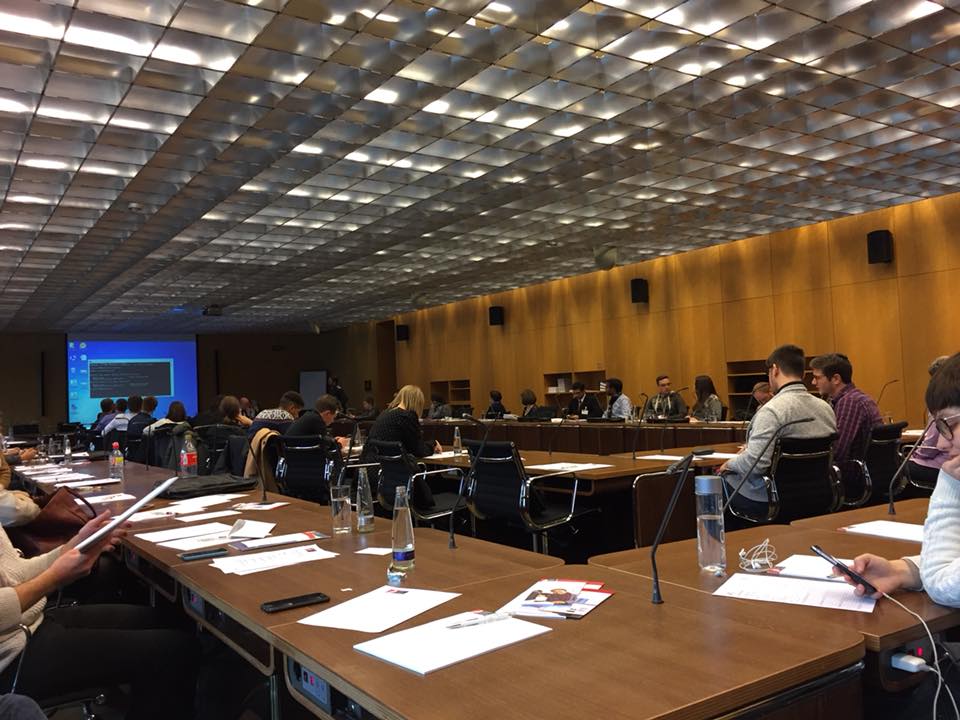
- In 2018–2019: a visit to the World Intellectual Property Organization (WIPO) in Geneva.
Trip to Geneva – World Intellectual Property Organization (2018–2019)
Trip to Munich – European Patent Office (2017–2018)

Career Opportunities
More than 500 students have graduated from the master's program since its inception (1989).
These graduates are now specialized attorneys or industrial property attorneys.
They also work as in-house lawyers at a wide variety of companies, including music production companies, literary publishers, video game publishers, IT companies, pharmaceutical companies, online service providers, and more.
Some students also work as lawyers in specialized organizations such as Sacem or the Health Products Safety Agency, or in public institutions such as the Louvre Museum.
More than fifty dissertations have been defended to date, including 25 between January 2005 and June 2009, and about ten dissertations are currently in progress.
The program boasts a faculty of about twenty associate professors, three full professors, and one CNRS research fellow . Several HDR degrees have also been awarded through ERCIM (see the “Members” page).
In pictures…
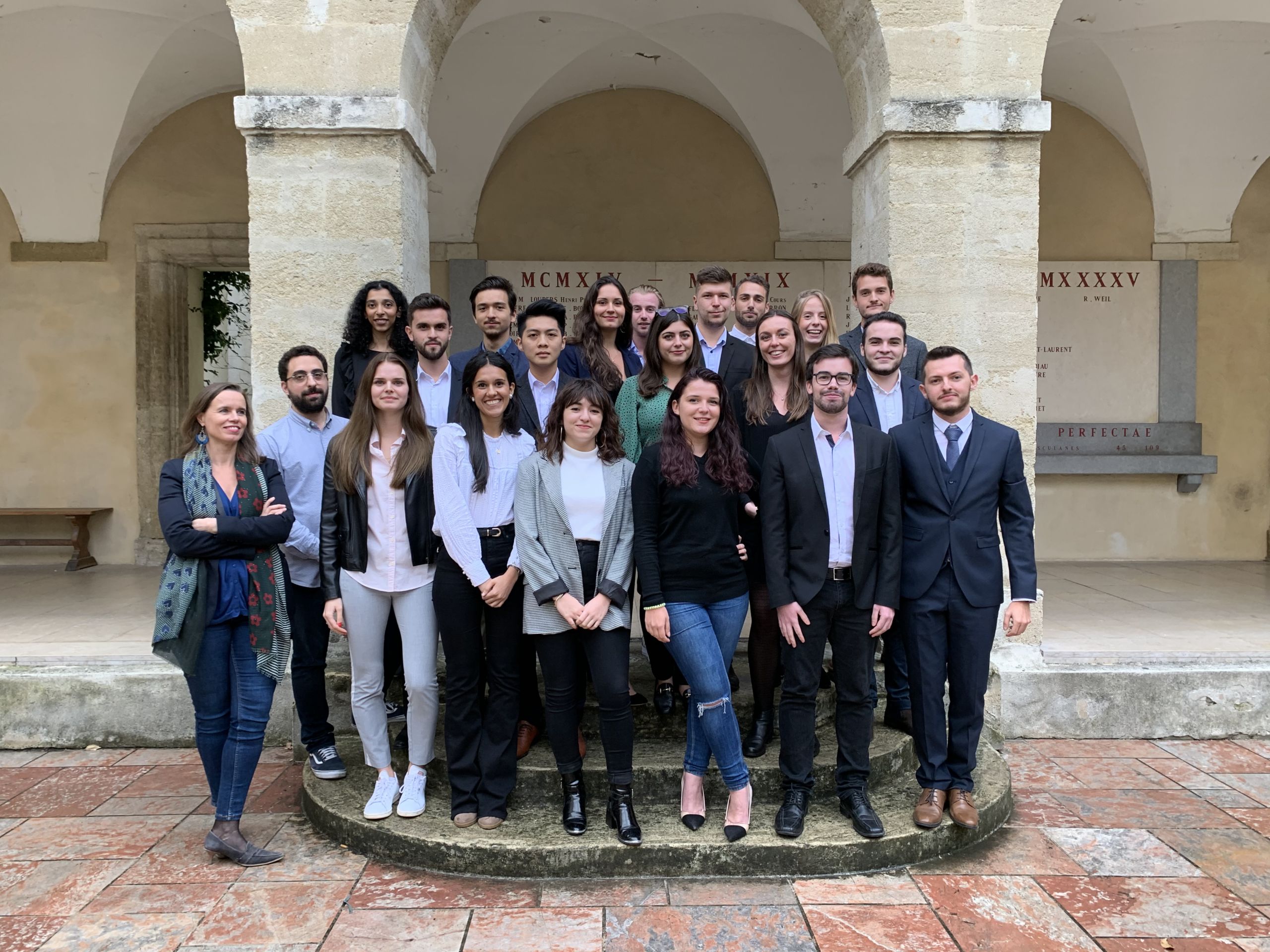
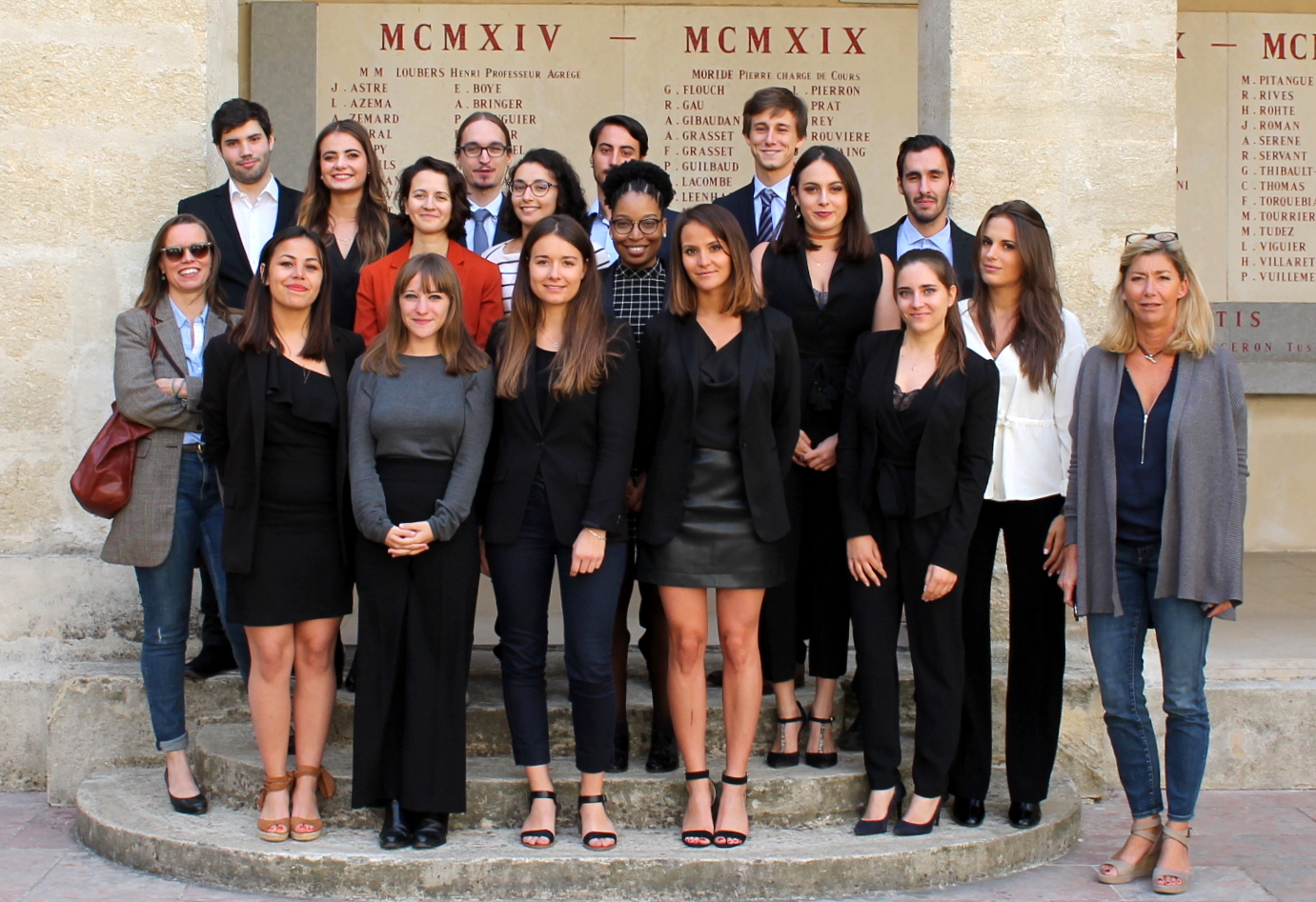
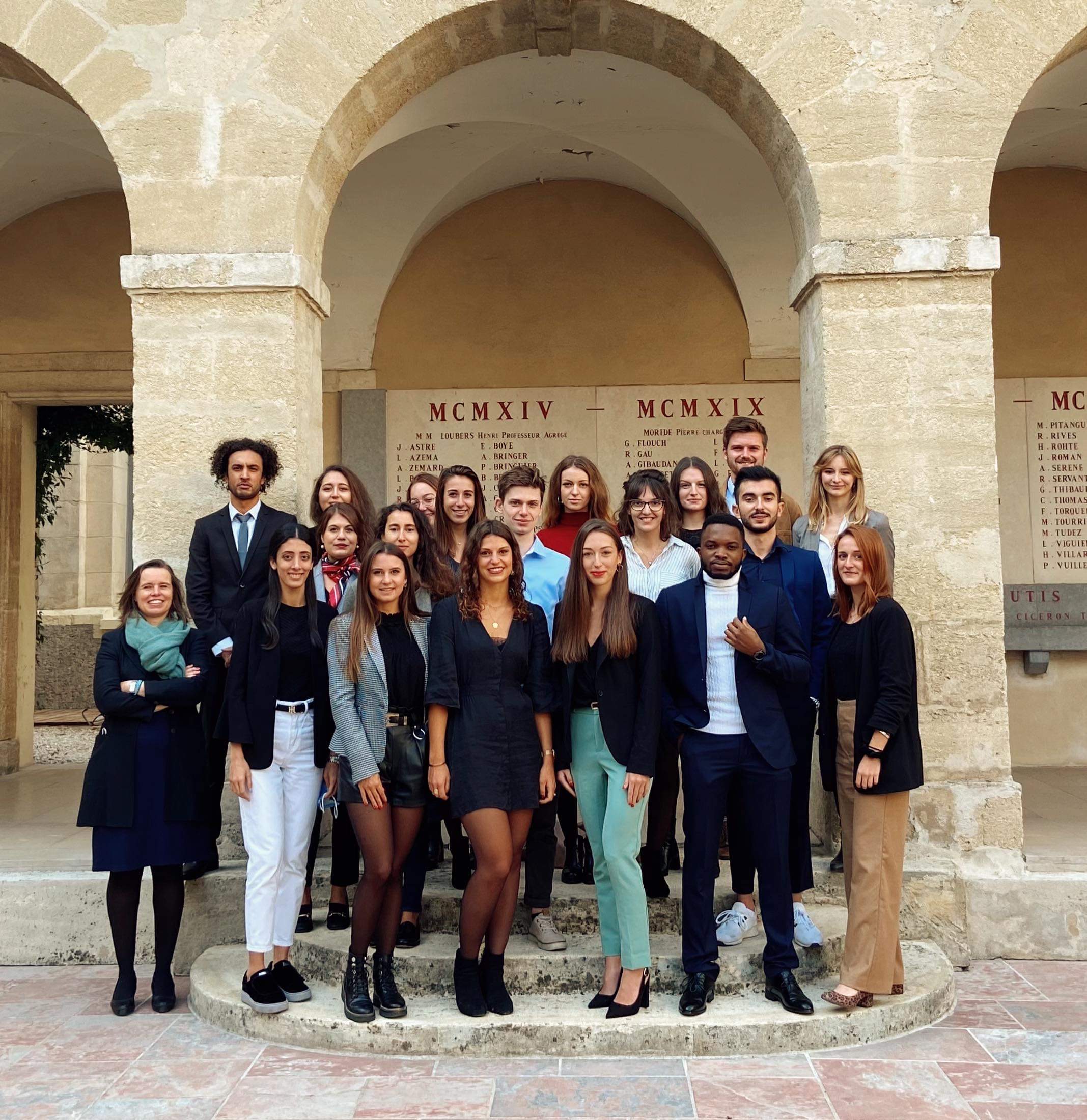
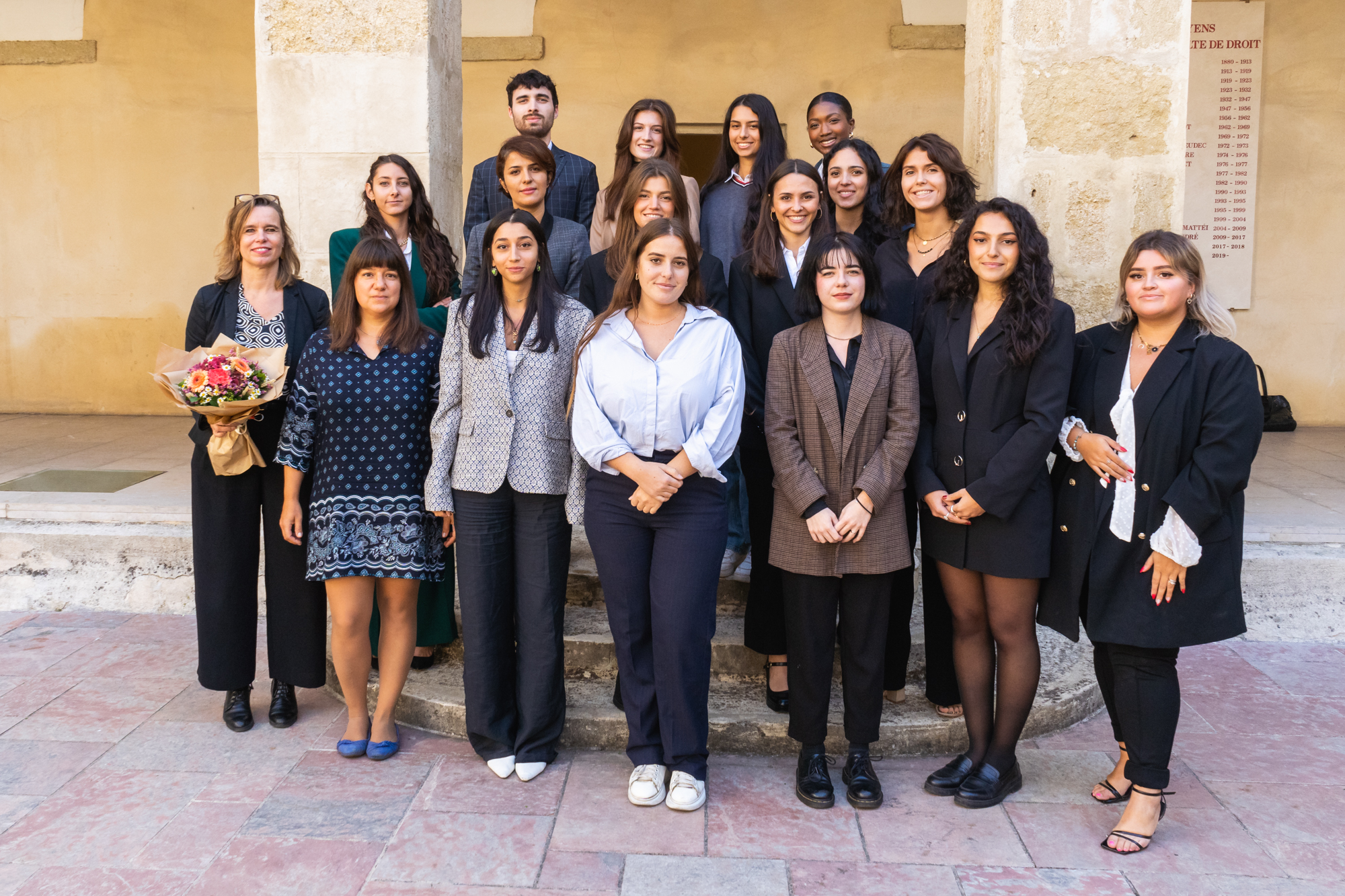
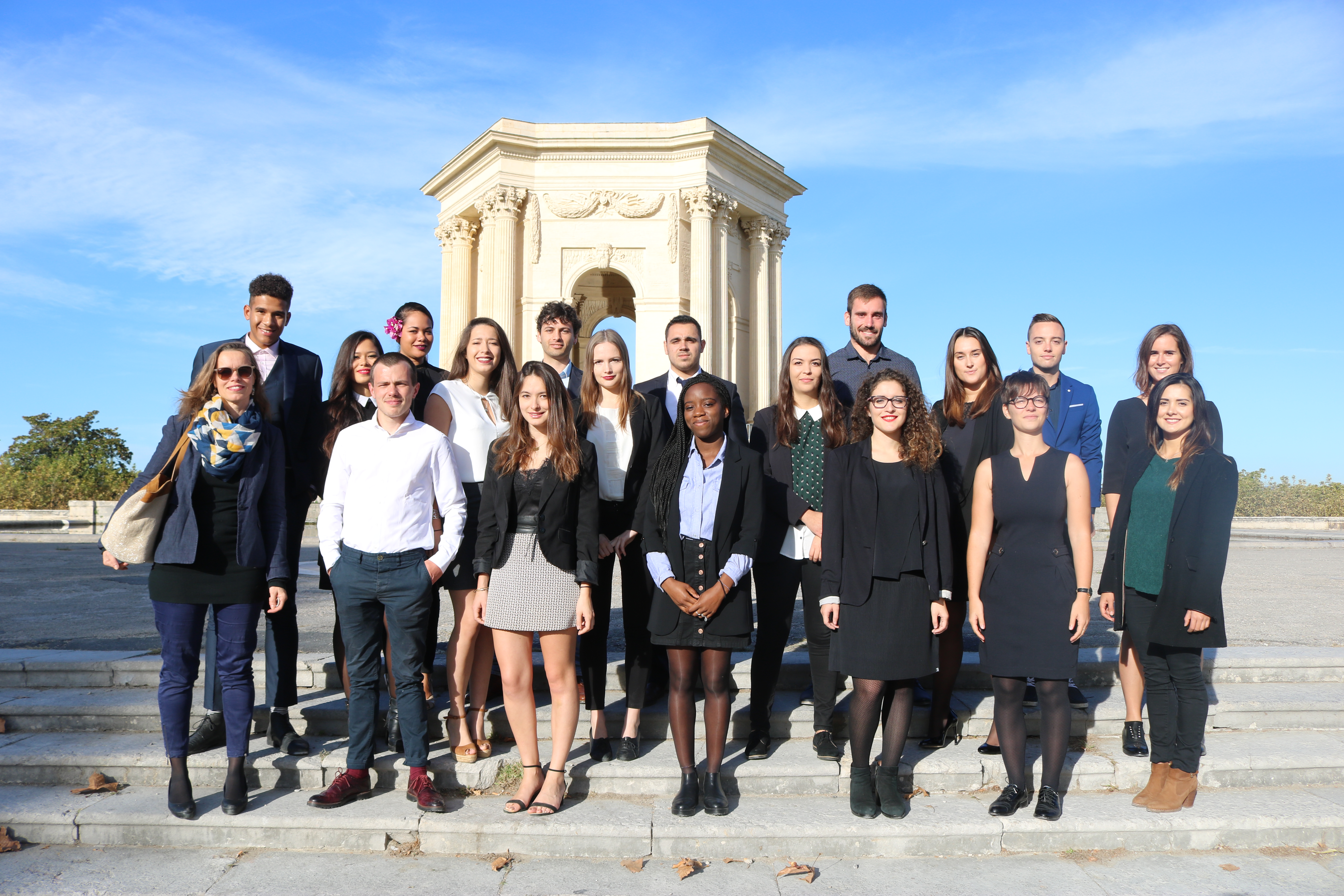
Graduation Ceremonies Year by Year
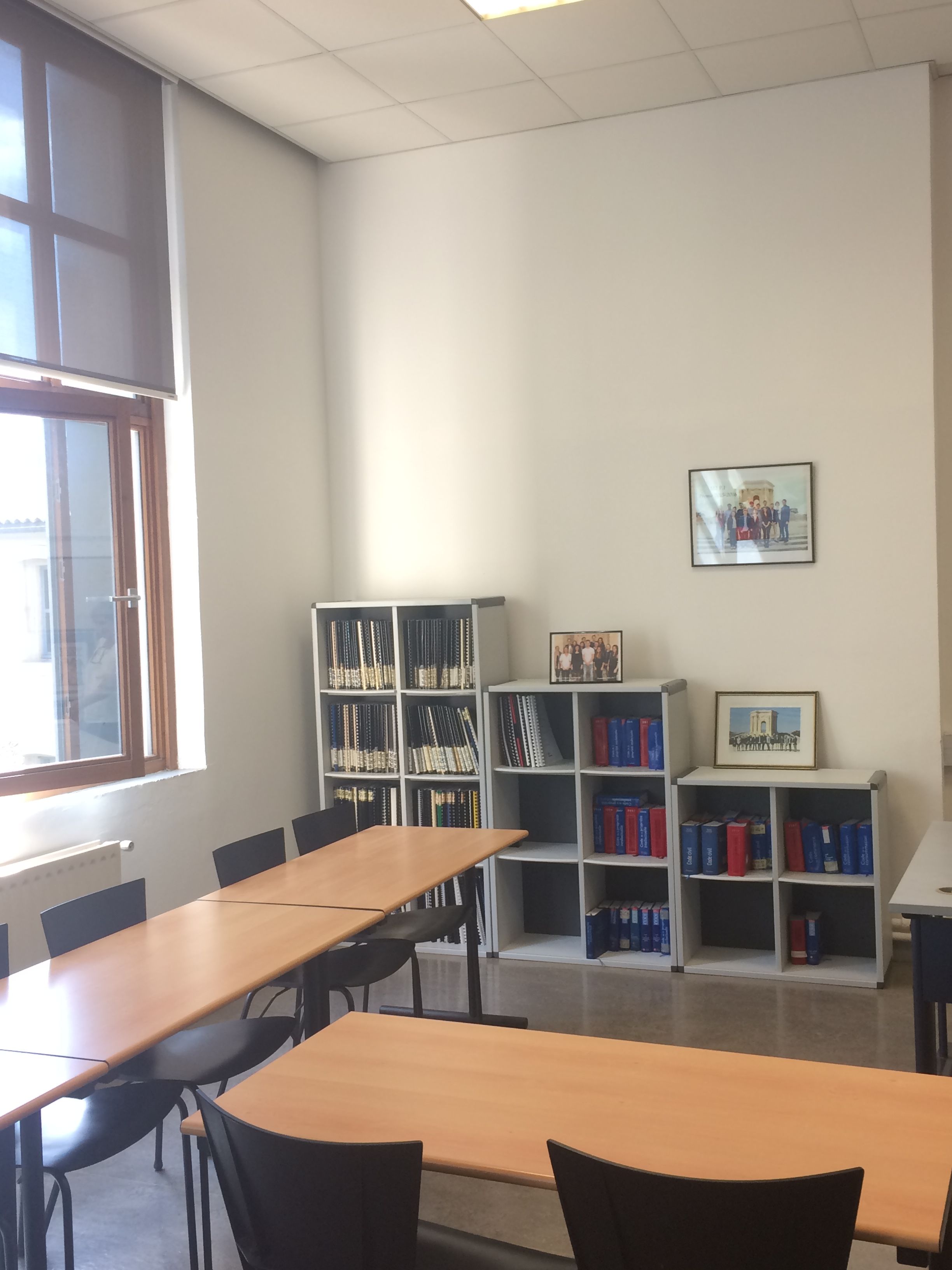
The Master's Room…
where Corto Maltese rubs shoulders with the Montpellier Danse festival and Emil Nolde… And the Intellectual Property Code, of course!